DUI license suspension in South Carolina begins long before a criminal court date arrives. Many drivers assume their license status depends on the outcome of their DUI case, but the state operates two entirely separate processes. The criminal case handles charges and potential penalties. The administrative process through the Department of Motor Vehicles handles license suspension independently, often on a much faster timeline.
Missing the administrative deadline may result in months without legal driving privileges, regardless of what happens in criminal court. South Carolina gives drivers a narrow window to request an implied consent hearing and apply for a Temporary Alcohol License. Drivers who wait for their court date to address license issues might discover the suspension has already taken effect.
Key Takeaways for DUI License Suspension in South Carolina
- South Carolina law requires drivers to request an implied consent hearing within thirty days of the officer issuing the Notice of Suspension to challenge administrative license suspension under S.C. Code § 56-5-2951.
- Administrative license suspension operates separately from criminal DUI proceedings, and waiting for court does not pause the DMV process.
- A Temporary Alcohol License provides temporary driving privileges while the administrative hearing process plays out.
- Administrative suspension may result from breath test refusal or from a BAC reading of 0.15 percent or higher for adults, which is a different threshold than the 0.08 percent standard used in criminal DUI cases.
What "Implied Consent" Means in South Carolina
South Carolina's implied consent law creates automatic obligations for anyone who operates a motor vehicle on state roads. The law assumes drivers have already agreed to certain testing requirements simply by choosing to drive. This agreement carries consequences when a DUI arrest occurs.
The Agreement Every Driver Makes
Under S.C. Code § 56-5-2950, any person who drives in South Carolina has implicitly consented to chemical testing of breath, blood, or urine. This consent applies when law enforcement has probable cause to believe the driver is operating a vehicle while under the influence. The agreement exists whether or not drivers realize they made it.
What Triggers Administrative Suspension
Two situations trigger administrative license suspension after a DUI arrest. Refusing to submit to chemical testing results in automatic suspension. Submitting to testing and registering a BAC of 0.15 percent or higher also triggers administrative suspension for adult drivers. This 0.15 percent threshold applies specifically to the DMV administrative process. The 0.08 percent standard relates to criminal DUI charges, which proceed on a separate track.
The Two-Track System After a DUI Arrest
South Carolina handles DUI arrests through two separate legal processes. Many drivers focus entirely on the criminal case and overlook the administrative track until suspension has already begun. Both tracks require attention, and they move on different timelines.
Criminal Court Proceedings
The criminal case addresses the DUI charge itself. This process involves arraignment, potential plea negotiations, and possibly trial. Criminal court determines guilt or innocence and imposes penalties like fines, jail time, or probation. Criminal charges apply when BAC reaches 0.08 percent or higher, or when impairment affects driving ability. This process typically takes months to resolve.
Administrative DMV Proceedings
The administrative process through the South Carolina Department of Motor Vehicles addresses only license status. This process begins immediately after arrest and moves forward regardless of what happens in criminal court. A driver acquitted of DUI charges may still face administrative suspension based on a BAC of 0.15 percent or higher, or based on refusal to submit to testing.
The Thirty-Day Deadline for Implied Consent Hearings
Time moves quickly after a DUI arrest in South Carolina. The deadline to request an implied consent hearing arrives long before most criminal court dates. Missing this deadline often eliminates the opportunity to challenge administrative suspension.
How to Request a Hearing
Drivers must file a request for an implied consent hearing with the Office of Motor Vehicle Hearings within thirty days of the officer issuing the Notice of Suspension. The request must include specific information and the appropriate filing fee. Late requests are typically denied, and the suspension proceeds automatically.
What Happens at the Hearing
The implied consent hearing addresses narrow issues related to the arrest and testing process. The hearing officer reviews whether law enforcement followed proper procedures and whether the suspension is legally justified.
Common issues examined at implied consent hearings include:
- Whether the officer had probable cause to make the traffic stop and arrest.
- Whether the driver received proper advisement of implied consent rights.
- Whether testing procedures followed statutory requirements.
- Whether the breath test device was properly calibrated and maintained.
- Whether the driver actually refused testing or failed to complete it.
These hearings focus on procedural compliance, not guilt or innocence on the underlying DUI charge.
The Temporary Alcohol License in South Carolina
A Temporary Alcohol License provides driving privileges while the administrative hearing process plays out. This temporary permit allows drivers to maintain transportation for work, school, and other activities during the pending case.
Who May Apply for a TAL
Drivers who request an implied consent hearing may also apply for a Temporary Alcohol License under S.C. Code § 56-5-2951. The TAL application process runs alongside the hearing request. Drivers who miss the thirty-day deadline typically lose eligibility for temporary driving privileges as well.
How the TAL Works
A TAL typically allows driving without route or hour restrictions while the hearing is pending. The temporary license remains valid until the DMV receives the hearing result. If the hearing officer upholds the suspension, additional requirements such as ignition interlock installation or Alcohol and Drug Safety Action Program enrollment may apply before license reinstatement.
Suspension Periods Based on Arrest Circumstances
The length of administrative suspension depends on the specific circumstances of the arrest and the driver's history. Section 56-5-2951 establishes specific suspension periods for breath test refusal versus registering a BAC of 0.15 percent or higher.
Suspension for Breath Test Refusal
Refusing to submit to chemical testing results in automatic license suspension for the following periods:
- First offense refusal: six months.
- Second offense refusal: nine months.
- Third offense refusal: twelve months.
- Fourth or subsequent offense refusal: fifteen months.
These periods apply regardless of whether the driver faced a criminal conviction.
Suspension for BAC of 0.15 Percent or Higher
Submitting to testing and registering a BAC of 0.15 percent or higher triggers shorter suspension periods:
- First offense: one month.
- Second offense: two months.
- Third offense: three months.
- Fourth or subsequent offense: four months.
The significant difference in suspension length between refusal and testing often factors into decisions drivers make during the arrest process.
FAQ for Implied Consent Hearings in South Carolina
Does winning the implied consent hearing dismiss my DUI charge?
No. The implied consent hearing addresses only license suspension, not criminal charges. A favorable outcome at the administrative hearing may preserve driving privileges, but the criminal case proceeds independently. The two processes reach separate conclusions.
What happens if I miss the thirty-day deadline?
Missing the deadline typically results in automatic license suspension without an opportunity for a hearing. The suspension takes effect as scheduled, and drivers lose the chance to challenge procedural issues. Reinstatement requires completing the full suspension period and meeting all other requirements.
Why is the administrative BAC threshold different from the criminal threshold?
South Carolina uses 0.08 percent as the standard for criminal DUI charges, but the administrative suspension process under implied consent law uses 0.15 percent for adults. A driver with a BAC between 0.08 and 0.15 percent may face criminal charges without triggering automatic administrative suspension through the implied consent process.
When Thirty Days Makes All the Difference
The days immediately following a DUI arrest determine whether drivers maintain any ability to drive legally. Fedalei & Reid Law LLC represents Greenville drivers who face administrative license suspension and want to understand their options before deadlines pass. Our team handles both the implied consent hearing process and criminal defense matters. Contact us to schedule a free consultation and discuss the specific facts of your case.
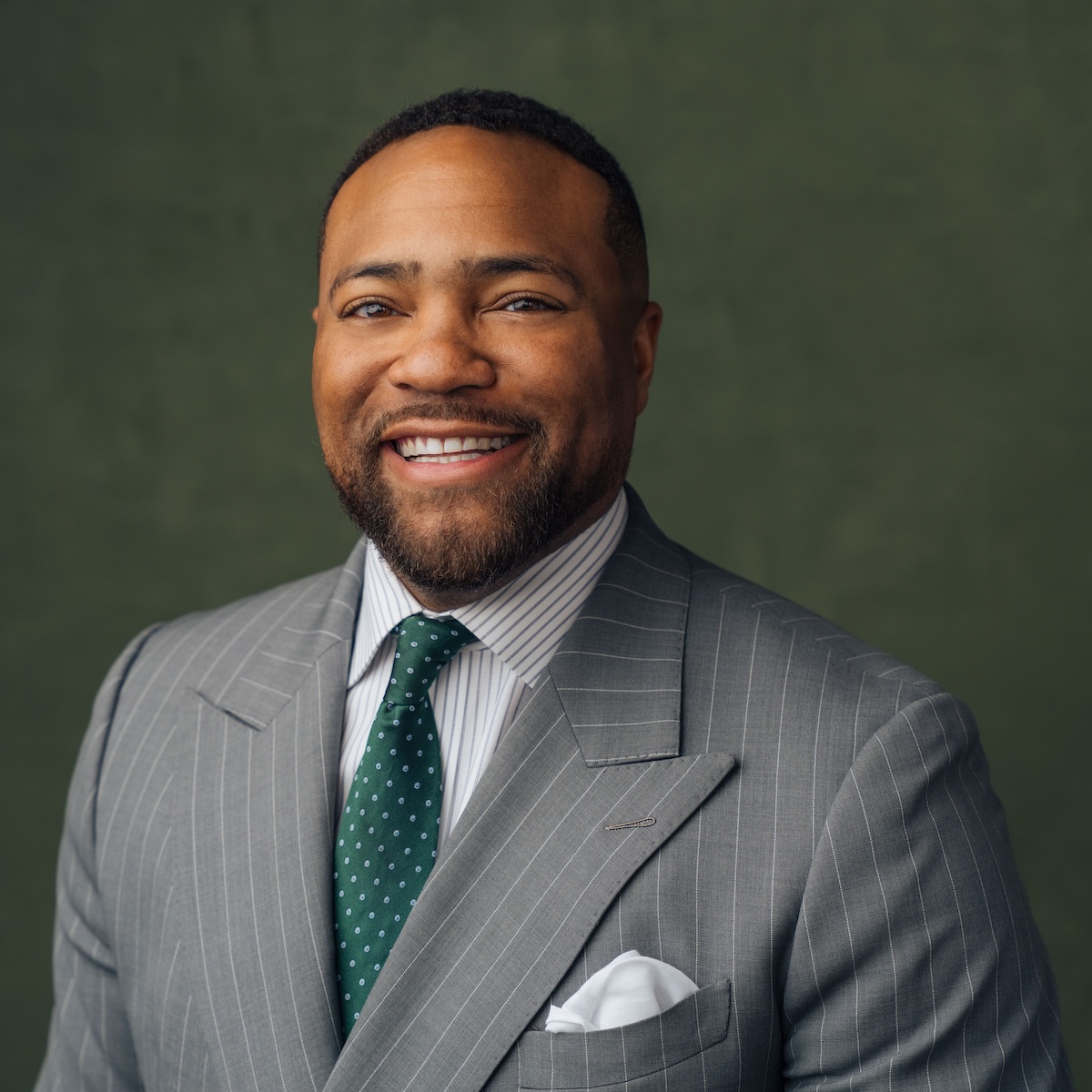
Alex Reid
Attorney, Founding Partner
Alex Reid has been practicing law in South Carolina since 2019. During his tenure as Assistant Public Defender he has represented clients on a multitude of criminal defense cases, from the smallest drug possession to the most serious violent crimes. Alex became a lawyer for one simple reason, to help people and fight unyieldingly for their rights.
Author's Bio